




The right partner is defined by the coordination your project needs — not simply by the number of products in the proposal.
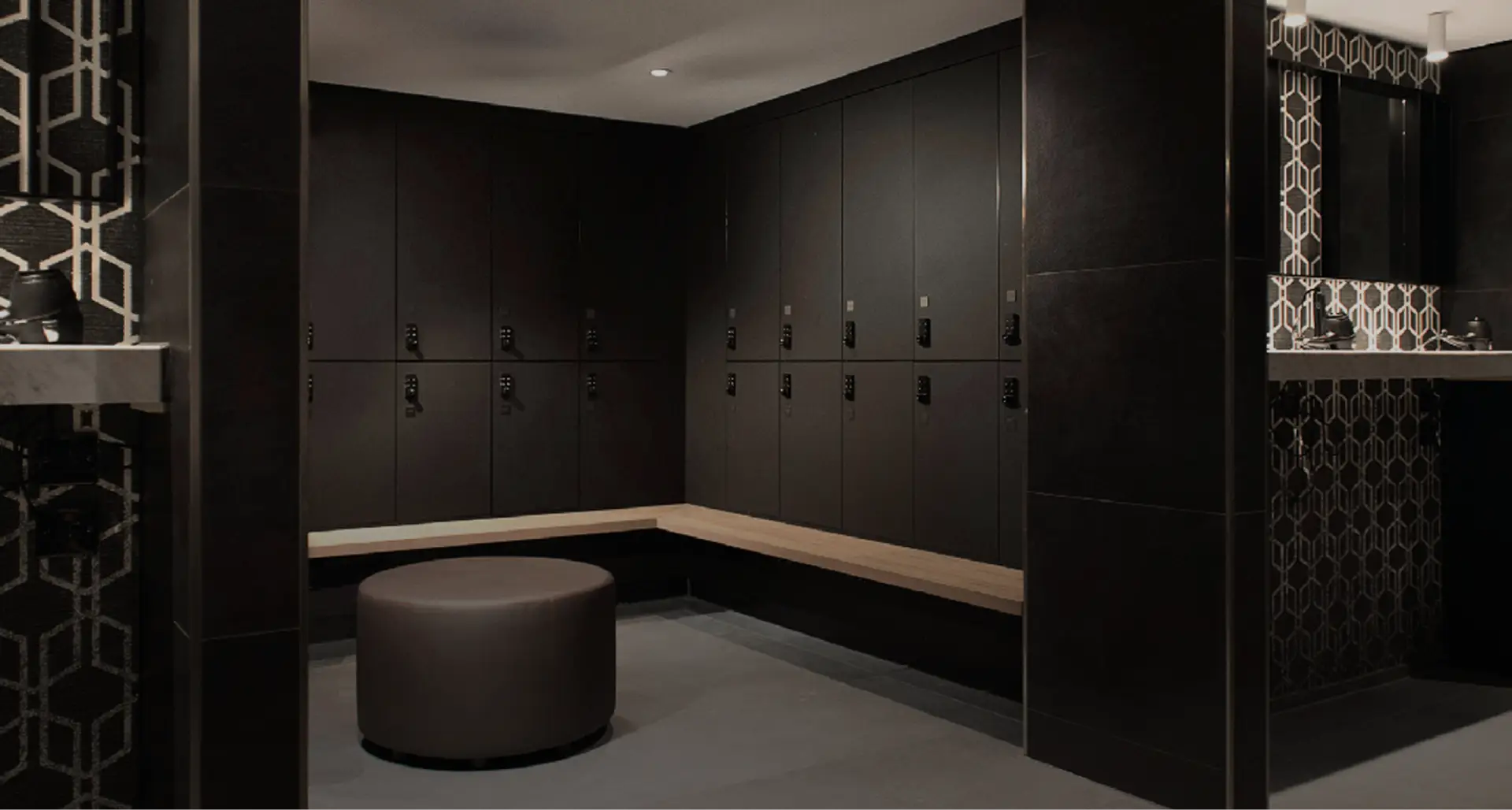
A commercial gym project brings together decisions that have to work as one facility: the operating model, equipment layout and supply, flooring, interiors, lockers, installation, commissioning and after-sales support.
Some clients need a clearly defined equipment package within a design that is already complete. Others need a partner to coordinate several connected disciplines. Both models can be valid. The important step is to define the scope before design and procurement begin.
Supplier and project partner: the practical difference
Where the work starts
- Equipment supplier: starts with the equipment order.
- Turnkey project partner: starts with the facility brief, the space and the operating model.
What is confirmed
- Equipment supplier: confirms products and quantities.
- Turnkey project partner: coordinates products, positions, finishes and delivery requirements.
How far the scope reaches
- Equipment supplier: works mainly within the equipment package.
- Turnkey project partner: connects equipment decisions with the agreed facility scope.
Where responsibility ends
- Equipment supplier: may finish at delivery.
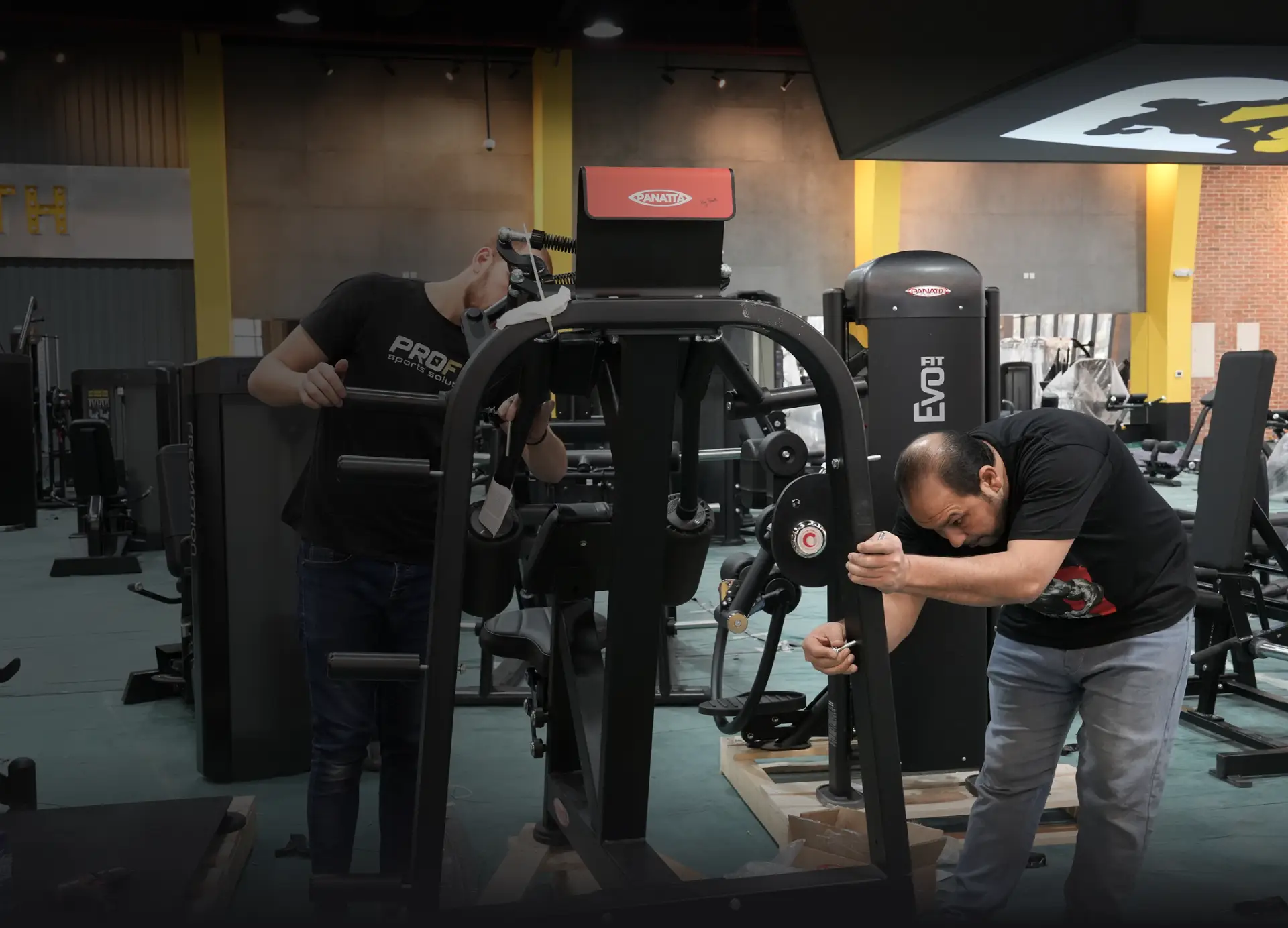
- Turnkey project partner: can continue through installation, handover and after-sales support.
Turnkey delivery becomes valuable when the client wants fewer gaps between connected decisions and clearer responsibility for making the gym work as one operational environment.
Start with the brief, not the catalogue
Before selecting models and finishes, the team needs to understand what the facility is intended to do. The training offer determines the zones; the zones influence the equipment mix; and the mix affects circulation, flooring, power, access and installation.
- The facility type, audience and intended member experience.
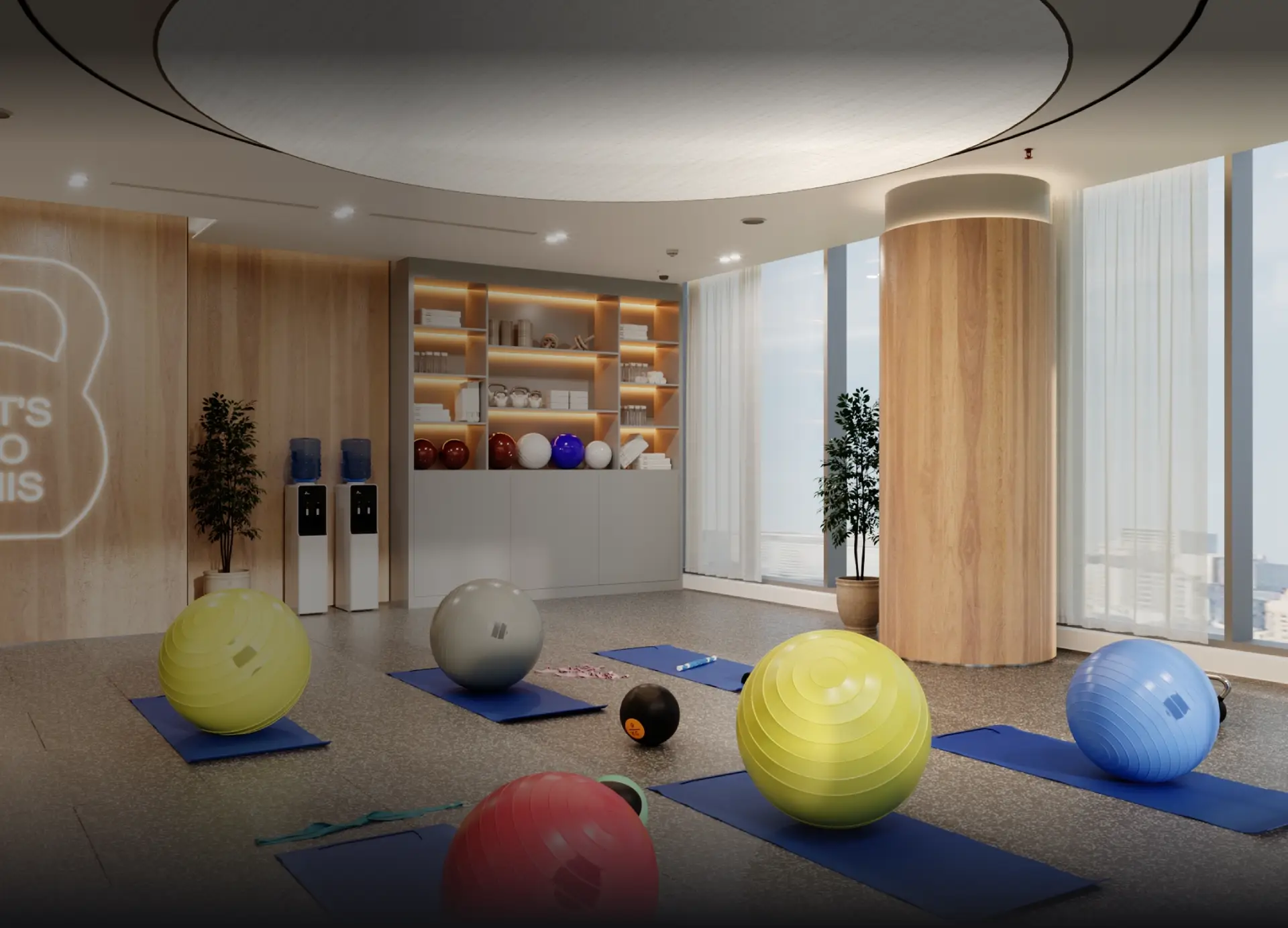
- The training zones and services the operator plans to provide.
- The architectural information already fixed and the decisions still open.
- The packages the client wants one partner to coordinate.
- The programme, budget parameters and approval responsibilities.
Eight stages of coordinated gym delivery
- Define the scope: what will be designed, supplied, coordinated, installed and supported.
- Review the current architectural information, access routes and fixed constraints.
- Develop the equipment layout and connect each position to an equipment schedule.
- Confirm equipment selection, quantities, finishes and customisation requirements.
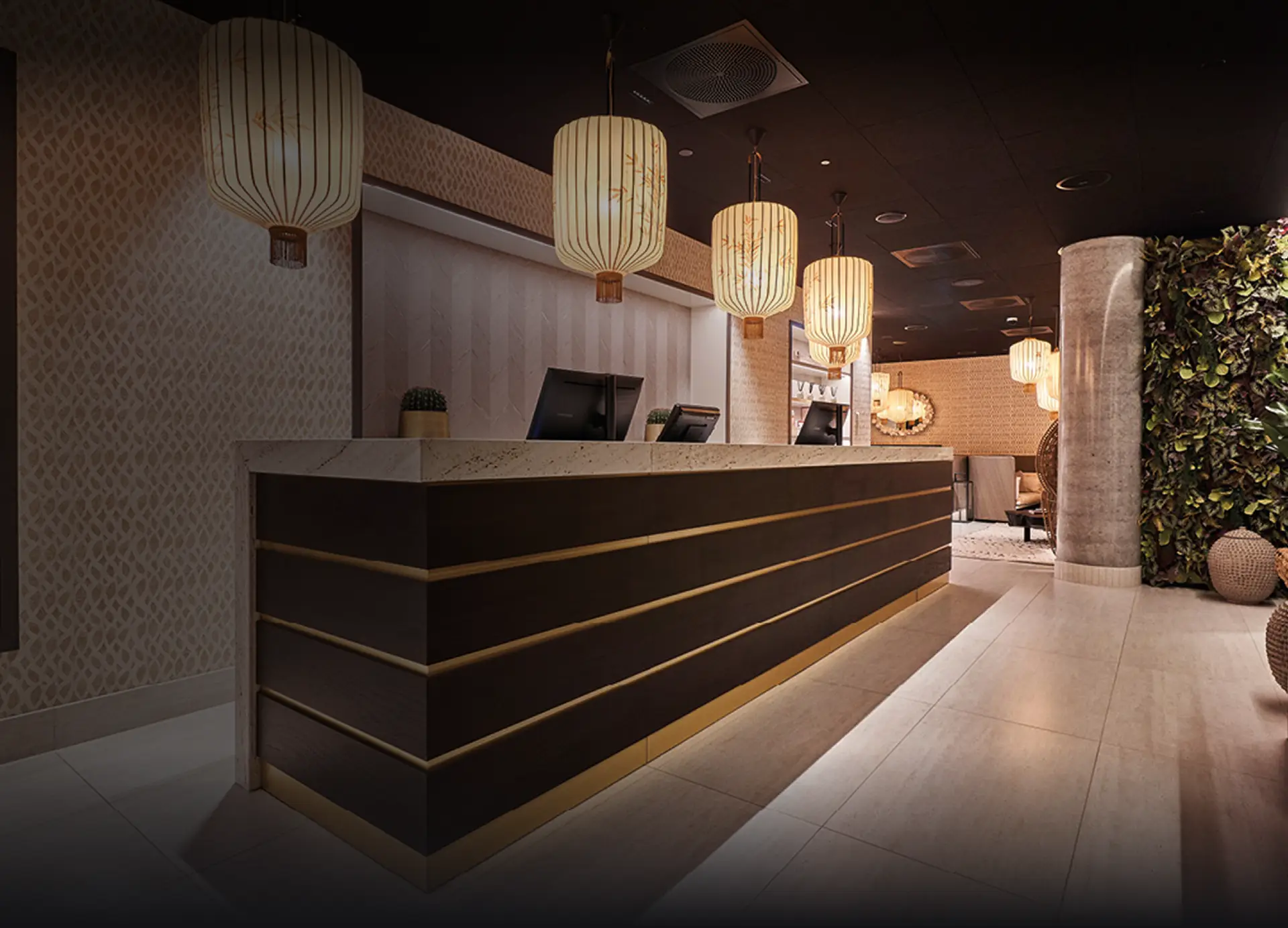
- Coordinate the agreed flooring, interior, locker and service interfaces.
- Approve the final layout, schedule and finish references before ordering.
- Plan delivery and installation around the wider construction programme.
- Commission, hand over and establish the route into after-sales support.
Where fragmented responsibility creates problems
- Equipment positions conflict with doors, columns or ceiling restrictions.
- Power and data points do not match final cardio positions.
- The delivery route cannot accommodate the selected equipment.
- Flooring or finishes are resolved after the training zones are fixed.
- The layout and equipment schedule no longer describe the same order.
- No single owner is responsible for resolving a coordination issue.
A turnkey structure does not remove the need for architects, consultants or specialist contractors. It creates a clear coordination point for the agreed gym-specific scope.
ARKHE: the method in practice
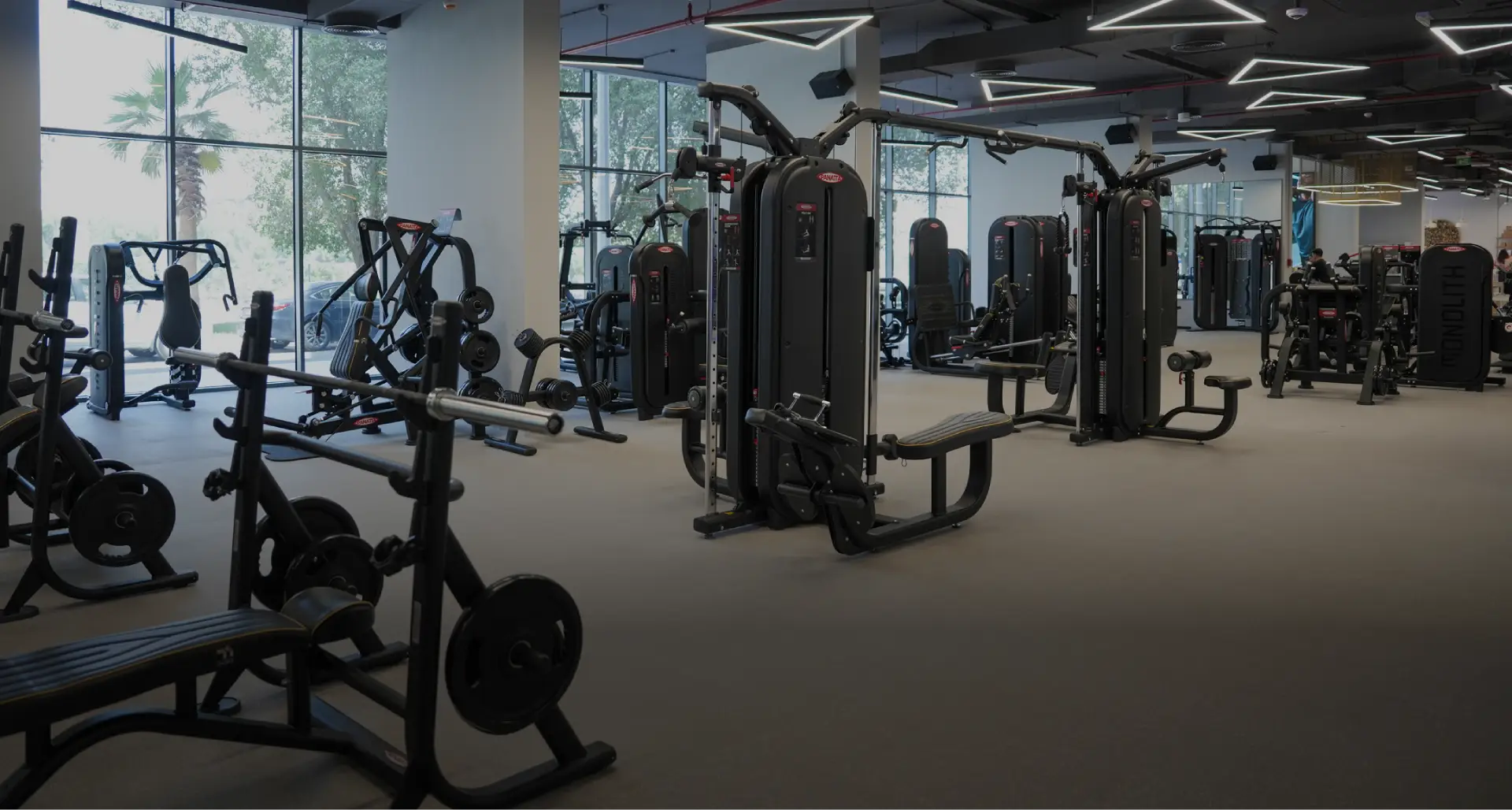
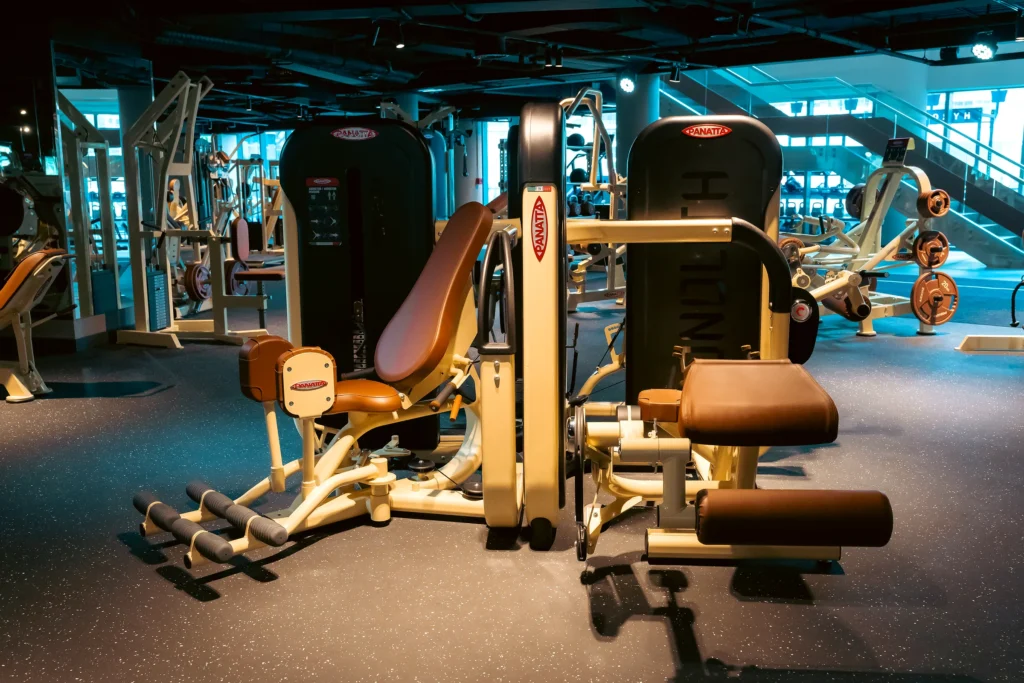
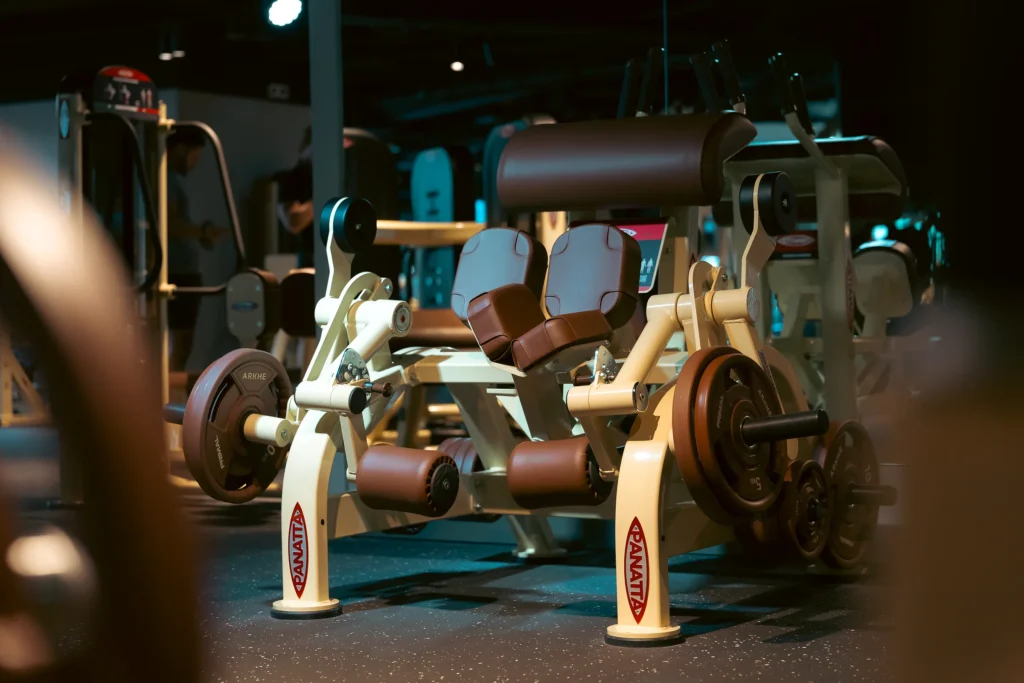
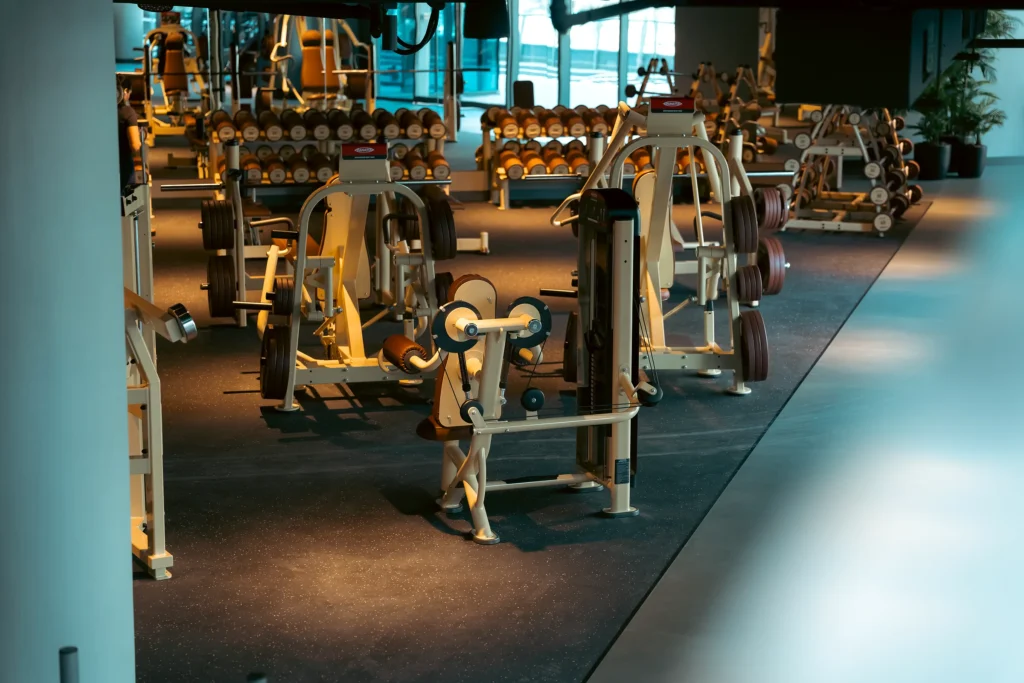
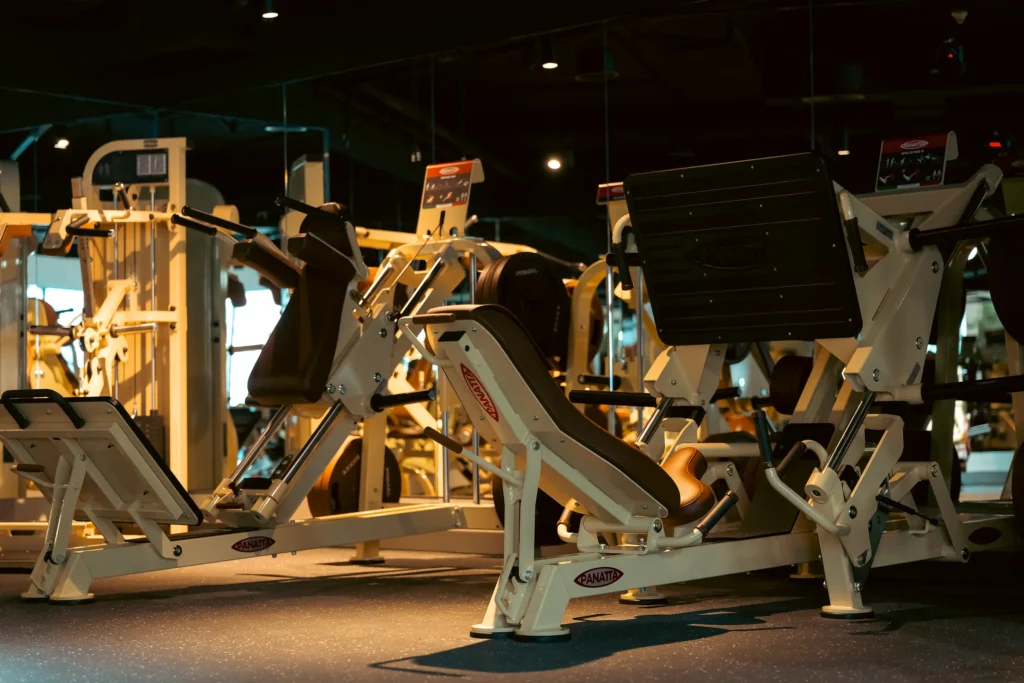
At ARKHE in Dubai Marina, PSS led the complete equipment scope: layout, Panatta selection, custom finish and installation. As the exclusive Panatta distributor for Saudi Arabia and the Middle East, PSS took the project from approved design information to a completed training floor, with the Panatta line in a custom cream and brown palette.
ARKHE reflects the equipment design and delivery model described below. With architecture and interiors delivered by other specialists, PSS owned every equipment decision, from where each machine sits to how it is specified and installed. The same working method extends into full turnkey delivery when a project needs a wider scope.
Choose the support your project needs
1. Equipment supply and installation
For projects where design and coordination are complete and the client needs a defined equipment package delivered, installed and commissioned.
2. Equipment design and delivery
For projects requiring equipment layout, selection, specification, supply and installation coordinated against the architectural plan.
3. Turnkey facility delivery
For clients seeking a wider facility scope coordinated across the agreed design, flooring, interiors, lockers, equipment and after-sales requirements.
Before appointing a project partner
- Which services are included, excluded or delivered by another party?
- Who owns the equipment layout and coordination against the architecture?
- How will models, quantities, finishes and revisions be controlled?
- What is included in delivery, installation, commissioning and handover?
- Who supports the facility after opening?
Next step
Discuss the delivery scope your commercial gym project actually needs with the PSS team.